
Handing over a piece of your biology is a different kind of decision than signing up for most consumer products. Your genetic data is not just personal information in the way your email address or shopping history is, it is permanent, it is shared in part with blood relatives whether or not they consented, and it cannot be reissued the way a password can. That combination is exactly why privacy questions around DNA testing deserve a clear-eyed answer rather than a quick reassurance.
This article walks through what actually happens to your data after you send in a sample, what rights and controls you typically have, and the specific questions worth asking of any company before you order a kit.
Where Your Data Goes After Testing
Once your sample reaches the lab, it is processed and converted into digital genetic data, which is then stored, typically encrypted, on the company’s servers rather than kept as a physical sample indefinitely, though policies on physical sample retention vary by provider. This digital data is what powers the reports in your dashboard, and it is also what would be used if you later add new reports or if the company later updates its interpretations based on newer research.
Reputable companies separate your directly identifying information, such as your name and contact details, from your raw genetic data at the technical level, using account permissions and encryption to control who and what can access each piece. This separation is a meaningful security practice, though it is worth understanding that it reduces risk rather than eliminating it entirely.
Who Can Access Your Genetic Information
This is the question that tends to matter most to people, and the honest answer is that it depends heavily on the specific company’s policies, which is why reading the privacy policy, tedious as that sounds, is worth doing before you order. At minimum, you should look for clear answers to a few specific questions: does the company sell or share genetic data with third parties such as pharmaceutical companies or advertisers, does it require a warrant before releasing data to law enforcement, and does it allow you to opt out of any research use of your data while still accessing your personal reports.
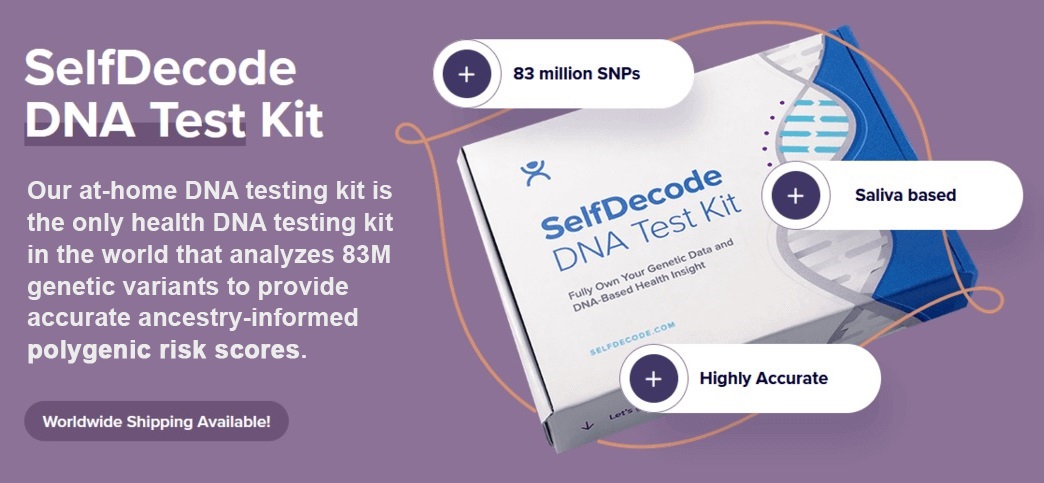
Many established platforms, including SelfDecode, allow users to control research participation separately from their core testing, meaning you can typically choose whether your anonymized data contributes to broader research without that choice affecting your access to your own reports.
Law Enforcement Access: A Real but Narrow Concern
High-profile cases involving genetic genealogy and criminal investigations have made this a legitimate concern for some people considering testing. In general, reputable direct-to-consumer testing companies require a valid legal process, such as a court order, before releasing user data to law enforcement, and many publish transparency reports detailing how often such requests occur and how they are handled. It is a reasonable question to ask directly, and a company’s policy on this should be stated plainly rather than buried in dense legal language.
Anonymization and Research Use
Some companies use aggregated, de-identified genetic data to support broader scientific research, including studies that help refine the very associations used in consumer reports. This is generally described as opt-in or clearly disclosed, and de-identified data means your name and direct identifiers are stripped before your data contributes to any research dataset. It is worth understanding, however, that true anonymization of genetic data is technically difficult to guarantee absolutely, given how uniquely identifying DNA is by nature, which is part of why transparency about the process matters more here than in most consumer data contexts.
Your Rights: Deletion, Download, and Control
Most reputable platforms allow you to download your raw genetic data at any time and to request deletion of your account and associated data if you choose to stop using the service. Deletion policies vary in detail, some distinguish between deleting your account versus fully destroying a physical sample already processed at the lab, so it is worth understanding exactly what “delete” means for a given provider rather than assuming it covers every possible copy of your data.
How Location Affects Your Protections
Where you live also shapes what legal protections apply to your genetic data, and it is worth knowing this varies more than people assume. Users in the European Union benefit from the General Data Protection Regulation, which classifies genetic data as a special category requiring heightened protection and gives individuals a clear legal right to request deletion. Users in the United States rely on a patchwork of state-level privacy laws alongside the narrower federal protections against insurance and employment discrimination mentioned earlier, meaning the specific state you live in can affect exactly what rights you have.
This does not mean testing is unsafe if you live somewhere with less comprehensive regulation, but it is a reasonable factor to weigh alongside a company’s own voluntary privacy commitments, since a strong company policy can meaningfully exceed the legal minimum required in a given jurisdiction.
Questions Worth Asking Before You Test
Before ordering any DNA test, a few direct questions are worth having answered. Does the company sell genetic data to third parties for marketing purposes. Can you opt out of research use without losing access to your reports. What is the process, and the timeline, for fully deleting your data if you request it. Is data encrypted both in storage and during transmission. A company that answers these plainly and makes its privacy policy easy to find and understand is generally a better sign than one that requires digging through dense legal text to get a straight answer.
SelfDecode publishes its data handling practices as part of its standard account and privacy documentation, which is the kind of transparency worth looking for regardless of which specific testing company you end up choosing. Taking a few minutes to review this before ordering is a reasonable trade for the peace of mind it buys, especially given that your genetic reports, once in hand, can meaningfully inform decisions ranging from lifestyle adjustments to whether a nutrient-based option like Performance Lab Sleep makes sense for supporting a specific mechanism your results point toward.
Frequently Asked Questions
Can my genetic data be used against me by health or life insurance companies?
In the United States, federal law under the Genetic Information Nondiscrimination Act restricts health insurers and employers from using genetic data in coverage or hiring decisions, though this protection does not currently extend to life, disability, or long-term care insurance, so it is worth understanding these gaps.
What happens to my data if the testing company is acquired or goes out of business?
This scenario is typically addressed in a company’s privacy policy, and reputable providers commit to notifying users and maintaining data protections through any ownership change, though it is a fair question to raise directly with any company you are considering.
Does testing reveal information about my relatives without their consent?
To some degree yes, since close relatives share significant portions of DNA, meaning your results can carry implications for immediate family members even though they never provided a sample themselves.
Is it safer to choose a company that does not store my sample after testing?
Not necessarily, since digital genetic data, not the physical sample, is what carries most of the ongoing privacy consideration, so a company’s data handling and encryption practices generally matter more than whether it retains the original physical sample.