

At some point, curiosity about your sleep genetics runs into a more grounded question: is this actually worth spending money on. It is a fair thing to ask, especially with a crowded market of health tests all promising some version of personalized insight. The honest answer depends less on the technology itself, which is genuinely solid, and more on what you are hoping to get out of it and how you plan to use the results.
This article breaks down the actual value proposition of DNA testing for sleep, who tends to get the most out of it, and where the limits of that value sit, so you can make a decision based on your own situation rather than marketing copy.
What You Are Actually Paying For
A DNA sleep test is not paying for a diagnosis or a guaranteed fix. You are paying for a detailed, research-backed map of genetic tendencies related to your circadian rhythm, neurochemistry, and sleep architecture, delivered in a format designed to be understandable without a biology degree. That map does not sleep for you, and it will not replace the work of actually adjusting your habits or seeking medical care when warranted. What it does provide is context, a reason behind patterns you may have noticed for years without understanding why they exist.
For some people, that context alone is worth the price, especially if it ends years of trial-and-error guessing about why certain sleep advice never seems to work for them the way it apparently works for everyone else.
Who Tends to Get the Most Value
A few types of people consistently report getting strong value from sleep genetics testing. Those who have tried the standard sleep hygiene playbook, consistent bedtime, dark room, no screens, without much improvement, often find genetic testing useful because it can point toward why generic advice was not enough in the first place. If your Chronotype report reveals a strongly evening-leaning natural rhythm, for example, that explains why forcing an early bedtime never felt sustainable, and it redirects your energy toward strategies that work with your biology instead of against it.
People who are curious by nature and enjoy having data to organize their thinking around also tend to find real value here, independent of whether every result leads to a dramatic behavior change. And people specifically weighing a nutrient-based approach to sleep support often appreciate having a genetic rationale, such as a slower melatonin conversion pathway, that helps them choose a more targeted supplement rather than guessing among dozens of options.
Who Might Get Less Out of It
On the other side, someone who already sleeps well and has no particular curiosity about the biological reasons behind it may not find much practical use for the reports beyond general interest. Similarly, someone experiencing a suspected sleep disorder, such as significant snoring, gasping, or excessive daytime sleepiness, is better served starting with a conversation with a doctor or a formal sleep study, since a DNA test is not designed to diagnose conditions like sleep apnea and should not delay that kind of evaluation.
Weighing Cost Against Realistic Outcomes
Pricing for at-home DNA sleep testing varies depending on whether you order an individual report, a themed bundle, or full raw data access, and it is worth being realistic about what a given price point buys you. An individual report focused on a single trait, like Chronotype, is a reasonable low-commitment way to test the waters if you are unsure whether genetic insight will resonate with you. A broader bundle covering multiple sleep-related reports, from Sleep Quality to the Serotonin and Melatonin Pathway, costs more but gives you the fuller, interconnected picture that tends to produce more actionable insight, since sleep traits rarely operate through a single gene in isolation.
The value calculation improves considerably if you plan to actually act on what you learn, whether that means adjusting your schedule around a newly understood chronotype, bringing findings to a healthcare provider, or trying a supplement aligned with a specific genetic tendency. Buying a report and never revisiting it is where the value proposition weakens the most, regardless of how good the underlying science is.
Comparing the Cost to Other Sleep Investments
It is also worth putting the cost of a DNA test in context against other things people commonly spend money on for sleep, such as premium mattresses, wearable trackers with ongoing subscription fees, or months of trial-and-error supplement purchases. A one-time genetic test is often less expensive than several of these alternatives combined, and unlike a mattress or a single supplement guess, it gives you information that remains relevant regardless of which product or strategy you ultimately choose to pursue.
The Less Obvious Value: Relief From Self-Blame
There is a value here that rarely shows up in a straightforward cost-benefit spreadsheet but comes up often in how people describe their experience after testing. Years of being told to just try harder with sleep hygiene, and still struggling, can quietly turn into a sense of personal failure, as if the problem is a lack of discipline rather than biology. Seeing a genetic explanation for a long-standing pattern, a naturally late chronotype or a slower melatonin pathway, can shift that internal narrative from self-blame to simple understanding.
This is admittedly a softer, harder-to-quantify form of value than a clear before-and-after improvement in sleep score, but it is real, and it is worth naming as part of the honest accounting of what a test can offer, alongside the more concrete, actionable insights.
Making the Decision
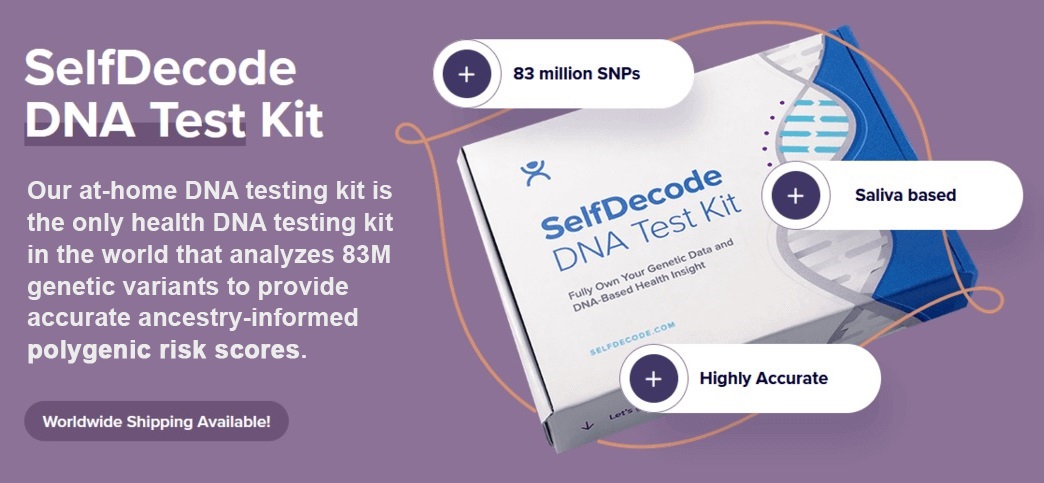
If you are on the fence, a reasonable approach is to start with a single report tied to whatever aspect of sleep bothers you most, whether that is falling asleep, staying asleep, or feeling rested during the day, rather than committing to a full bundle right away. A platform like SelfDecode makes this kind of incremental approach straightforward, letting you expand into additional reports later if the initial results resonate with your experience. And if your results point toward genetic tendencies around relaxation or melatonin regulation specifically, pairing that insight with a nutrient-based option like Performance Lab Sleep, formulated with magnesium, tart cherry, L-tryptophan, and lemon balm extract, is a low-cost way to test whether addressing that particular mechanism actually moves the needle for you.
Frequently Asked Questions
Is it better value to buy one report at a time or a full bundle upfront?
It depends on your goals, starting with a single report is a lower-risk way to see if the insights are useful to you personally, while a bundle offers more depth and cross-referencing potential if you are already confident you want the fuller picture.
Does insurance ever cover the cost of DNA testing for sleep?
Generally no, consumer sleep genetics tests are considered wellness products rather than diagnostic medical tests, so they are typically an out-of-pocket expense rather than something covered by health insurance.
How do I know if my sleep issues are severe enough to skip genetic testing and see a doctor instead?
Symptoms like loud snoring with pauses in breathing, extreme daytime sleepiness despite adequate time in bed, or sudden changes in sleep patterns are worth discussing with a healthcare provider directly, since these can indicate conditions that genetic testing is not designed to diagnose.
Will results from a DNA test ever become outdated in a way that reduces their value?
The underlying genetic data does not change, but the scientific interpretation of what a given variant means can be refined over time, so a reputable platform updating its reports periodically actually adds to the long-term value of your initial test.