
If you have never taken a DNA test before, the idea of mailing off a piece of yourself and waiting for a report on your biology can feel oddly formal, like signing up for something more clinical than it actually is. In practice, the process is closer to ordering a kit off a shelf than checking into a lab. You order online, a small package shows up, you follow a short set of instructions at your kitchen table, and a few weeks later you are looking at a dashboard that connects your genes to how you sleep.
Understanding what that timeline actually looks like, from the moment you click “buy” to the moment your first report loads, makes the whole experience less abstract. This article walks through each stage of an at-home DNA sleep test so you know what to expect before you commit to one.
Ordering the Kit and What Arrives in the Mail
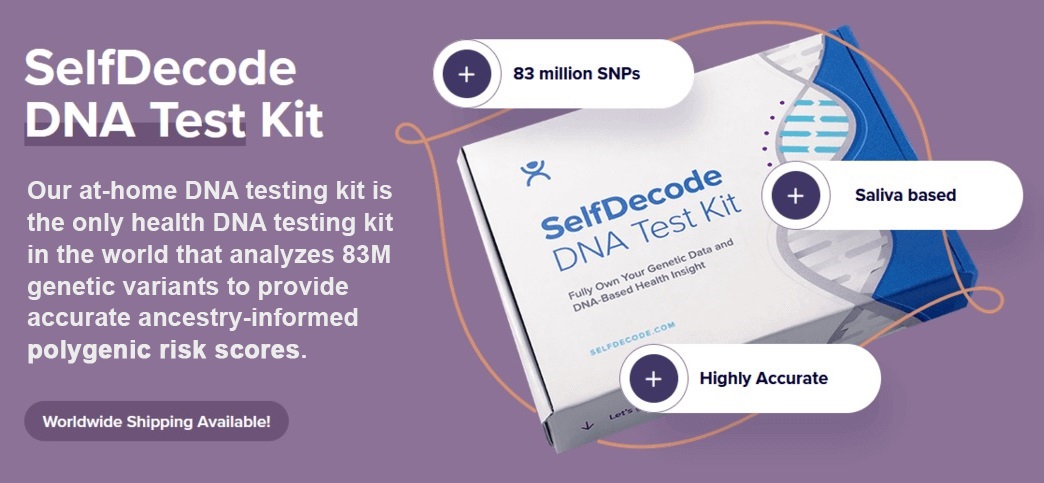
Most at-home DNA sleep tests, including the kit offered through SelfDecode, ship in a flat, unassuming box that would not look out of place next to your regular mail. Inside, you will typically find a collection tube or cheek swab, a prepaid return envelope or mailer, and a short instruction card. There is no refrigeration required, no special storage, and nothing that needs to be handled within a strict window of time before it spoils.
Before you open the kit, you will usually be asked to register it online, either by scanning a barcode or entering a unique code printed on the tube. This step links your physical sample to your account, which is what allows your results to eventually land in the right dashboard rather than someone else’s.
Saliva Versus Cheek Swab Collection
Depending on the test, collection is done one of two ways: spitting into a small tube until you reach a fill line, or rubbing a swab against the inside of your cheek for a set number of seconds. Both methods are designed to collect enough cells to extract usable DNA, and neither requires any needles or blood draws. The instructions typically ask you to avoid eating, drinking, or brushing your teeth for a short period beforehand, since food particles and other substances in your mouth can interfere with sample quality.
Once collected, you seal the sample, often with a stabilizing liquid included in the tube, and place it in the prepaid mailer. From there, it is simply a matter of dropping it in a mailbox.
What Happens to Your Sample After You Mail It
After your sample arrives at the lab, it goes through a process called extraction, where your DNA is separated from the rest of the cellular material in your sample. From there, the lab runs it through genotyping technology, which reads specific locations in your DNA, known as single nucleotide polymorphisms, or SNPs, rather than sequencing your entire genome letter by letter. This is why results typically take a few weeks rather than months. The SNPs relevant to sleep, including variants tied to circadian genes like PER3, melatonin receptor genes, and serotonin transporter genes, are among the thousands of data points a typical panel captures.
Turnaround time varies by provider and by how backed up the lab is, but a common window is two to four weeks from the day your sample is received. You will usually get an email notification once your raw data has been processed, followed by another once your interpreted reports are ready to view.
Logging In and Exploring Your First Report
The first time you log into your results dashboard, it can feel like a lot at once, especially if you ordered a bundle that includes reports well beyond sleep. Most platforms organize reports by category, so sleep-related reports, such as Sleep Quality, Sleep Latency, Chronotype, or the Serotonin and Melatonin Pathway report, are grouped together rather than scattered among unrelated topics like nutrition or fitness.
Each report typically opens with a plain-language summary of what the gene or genes in question do, followed by your specific result, usually expressed as a simple category like “typical,” “increased likelihood,” or “decreased likelihood” rather than a raw genotype that means nothing without context. Below that summary, most reports include a deeper explanation of the underlying biology for readers who want to understand the mechanism, along with any lifestyle or environmental factors known to interact with that gene.
How Detailed the Science Gets
One thing that surprises first-time users is how much explanatory content is packed into a single report. A report on the BHLHE41 gene, for example, might explain what the gene does in circadian regulation, what specific variant you carry, what percentage of the population shares that variant, and what published research suggests about its association with sleep duration or depth. You are not just handed a label. You are given the reasoning behind it, which matters if you plan to use the information to make actual changes to your routine.
Making Sense of Results You Do Not Understand
It is common to hit a report and think, “okay, but what do I actually do with this.” That reaction is normal, and it is part of why this site exists. A DNA report can tell you that you carry a variant associated with a longer circadian period, or that your melatonin receptor sensitivity runs lower than average, but translating that into an evening routine, a supplement choice, or a conversation with your doctor takes an extra step of interpretation.
Many platforms address this by including recommendations alongside each report, ranging from general sleep hygiene suggestions to more targeted notes about nutrients or timing strategies that pair well with your specific result. This is also where it becomes clear that DNA testing and daily habits are meant to work together rather than as separate tracks. A report might flag that your genetics are associated with slower melatonin metabolism, and rather than leaving you there, point you toward general strategies around light exposure or evening supplementation.
Putting Your Results Into Practice
Once you have read through your sleep-related reports, the practical question becomes what to do next. If your reports point toward genetic factors influencing melatonin or serotonin pathways, a service like SelfDecode can help you go deeper by cross-referencing those results with related reports, so you are not interpreting a single gene in isolation but seeing the fuller picture of how your circadian and neurochemical systems interact. On the nutrient side, if your results suggest your body may benefit from additional support around relaxation and sleep onset, a supplement such as Performance Lab Sleep, formulated with magnesium, tart cherry, L-tryptophan, and lemon balm extract, is the kind of straightforward next step that complements what your genetics are telling you, without requiring you to become an amateur biochemist first.
The larger point is that a DNA test is a starting document, not a finish line. It gives you a more precise map of your own biology, and what you do with that map, whether adjusting your evening routine, discussing findings with a healthcare provider, or trying a targeted supplement, is where the real value gets realized.
Frequently Asked Questions
How long does an at-home DNA sleep test actually take from start to finish?
Most people can expect two to four weeks from the day their sample arrives at the lab to the day their reports are available, though shipping time to the lab adds a few extra days on top of that.
Do I need to fast or avoid certain foods before collecting my sample?
Yes, most kits recommend avoiding food, drink, and teeth brushing for around 30 minutes to an hour before collection, since residue in your mouth can reduce the quality of the sample.
Will my results change if I retest years later?
No, the DNA variants examined in sleep-related reports do not change over your lifetime, so a single test is generally sufficient. What can change is the interpretation, since new research sometimes refines how a given variant is understood.
Can I access my raw genetic data, not just the summarized reports?
Many providers, including SelfDecode, allow you to download your raw genetic data file in addition to viewing the interpreted reports, which some users use for independent research or to import into other tools.