
Think about the last time someone gave you sleep advice. Maybe it was “just go to bed earlier” or “cut out caffeine after noon.” Reasonable suggestions, sure, but if you have ever followed that advice to the letter and still found yourself staring at the ceiling at 2 a.m., you already know something the advice-givers didn’t account for: your sleep isn’t running on the same operating system as everyone else’s. A meaningful part of it is written into your DNA, and that’s what the field of sleep genetics is trying to explain.
This article is your starting point. We’ll walk through what sleep genetics actually studies, which genes show up again and again in the research, and how much of your sleep pattern is realistically shaped by biology versus habit. No lab coat required.
Why One-Size-Fits-All Sleep Advice Falls Short
Search “how to sleep better” and you’ll get a nearly identical list every time: dark room, consistent bedtime, no screens before bed, maybe some chamomile tea. That advice isn’t wrong, but it treats sleep as a single, universal problem with a single universal fix. In reality, two people can follow the exact same nighttime routine and get completely different results, because the underlying biology driving their sleep isn’t the same.
Some people are wired to feel alert until midnight no matter how early they turn off the lights. Others fall asleep easily but wake at 4 a.m. like clockwork. Some process caffeine quickly and can have an espresso after dinner without issue, while others feel it buzzing in their system twelve hours later. These aren’t just quirks of personality or willpower. Many of them trace back to specific, identifiable differences in your genetic code.
What Sleep Genetics Actually Means
Sleep genetics is the study of how variations in your DNA influence things like when you naturally feel sleepy, how deeply you sleep, how sensitive you are to light and caffeine, and how prone you are to conditions like insomnia or delayed sleep patterns. It sits at the intersection of genetics, neuroscience, and chronobiology (the study of biological timing), which sounds intimidating until you break it down into plain language.
Genes, Variants, and What They Actually Do
Your DNA is essentially a very long instruction manual, and genes are individual chapters of that manual, each one responsible for building a specific protein that does a specific job in your body. A variant is simply a small difference in how one of those chapters reads, compared to the “standard” version. Everyone has thousands of variants scattered throughout their genome, and most of them are harmless quirks rather than problems.
Some variants, though, land in genes that happen to control your internal clock or your brain’s sleep-related chemistry. When that happens, the small difference in the gene’s instructions can translate into a real, measurable difference in how you sleep. It’s not that you have a “bad” gene. It’s that you have a slightly different version of a normal gene, and that version nudges your biology in a particular direction.
The Genes Researchers Keep Coming Back To
Sleep genetics research has identified a recurring cast of characters, genes that show up again and again across studies because of how directly they influence sleep timing and quality. You don’t need to memorize this list, but it helps to know the general categories, since we’ll dig into each one individually elsewhere on this site.
Circadian Clock Genes
Genes like CLOCK, PER2, PER3, and BHLHE41 help run your body’s internal 24 hour timer, known as the circadian rhythm. Variants in these genes are strongly associated with whether you’re naturally a morning person, a night owl, or somewhere in between. They also play a role in how much sleep you actually need to feel rested, which is why some people function well on seven hours while others genuinely require nine.
Neurotransmitter and Hormone Pathway Genes
A separate group of genes influences the brain chemicals involved in falling and staying asleep, particularly serotonin and melatonin. Serotonin is a precursor to melatonin, the hormone that signals to your body that it’s time to wind down. Variants affecting this pathway can influence how efficiently your body produces melatonin in the first place, or how sensitive your brain is to it once it’s there.
Genes Linked to Sleep Disorders
A third category involves genes associated with an increased likelihood of specific sleep issues, such as restless legs syndrome, sleep apnea risk factors, or a tendency toward lighter, more easily disrupted sleep. Having a variant in one of these genes doesn’t mean you’re destined to develop the condition. It simply means your baseline risk is shaped a bit differently than someone without that variant.
How Much of Sleep Is Really Genetic
This is the question everyone eventually asks, and the honest answer is: it depends on what aspect of sleep you’re talking about, but the genetic contribution is bigger than most people assume. Twin studies, which compare identical twins (who share essentially all their DNA) to fraternal twins (who share about half), consistently find that traits like chronotype and insomnia risk have a meaningful heritable component, often estimated somewhere in the range of 30 to 50 percent depending on the specific trait and study.
That leaves plenty of room for habits, environment, stress, and lifestyle to matter too, which is good news. Genetics isn’t destiny here. But it does mean that if you’ve been fighting your sleep schedule for years using only behavioral fixes, you may be missing half the picture. Knowing which half is genetic and which half is environmental can save you a lot of frustration and trial and error.
What You Can Actually Do With This Information
Understanding that your sleep has a genetic component isn’t just an interesting fact to file away. It changes how you approach fixing sleep problems in the first place. Instead of cycling through generic advice hoping something sticks, you can look at the specific biological systems most likely to be involved for you personally, whether that’s your circadian timing, your melatonin pathway, or your sensitivity to certain nutrients.
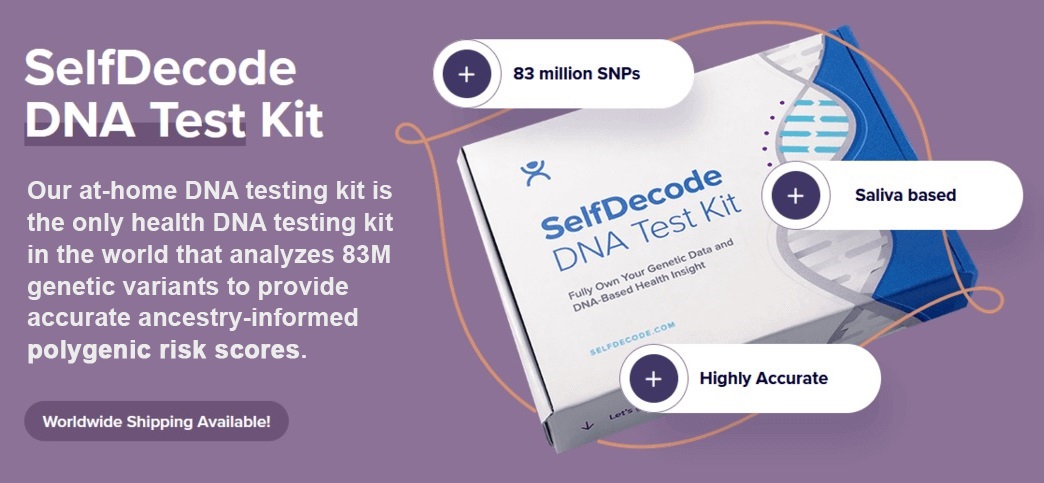
This is exactly the kind of insight a DNA-based sleep report can provide. A service like SelfDecode analyzes your genetic data against the research on genes like the ones mentioned above and generates a personalized report explaining where your own variants fall, so you’re not guessing which category applies to you. From there, the picture gets more actionable. For instance, if your results point toward a variant affecting magnesium regulation or serotonin production, a targeted nighttime formula such as Performance Lab Sleep, which includes magnesium, L-tryptophan, tart cherry, and lemon balm, may make more sense than a generic melatonin pill picked at random off a shelf.
The larger point isn’t that any single test or supplement will solve everything. It’s that sleep advice works better when it’s built around your actual biology rather than an average person’s biology. That’s the idea this entire site is built around, and every article that follows will dig deeper into one piece of that puzzle.
Frequently Asked Questions
Is sleep genetics the same thing as having a sleep disorder?
No. Sleep genetics refers to the general influence your DNA has on sleep timing, quality, and tendencies. Having certain variants may increase your likelihood of a sleep disorder, but it doesn’t mean you have one or that you’re guaranteed to develop one.
Can I change genetic sleep traits, or am I stuck with them?
Genetic tendencies set a baseline, but they don’t operate in isolation. Habits, light exposure, timing of meals and exercise, and certain nutrients can meaningfully shift how those tendencies express themselves in daily life.
Do I need a DNA test to benefit from sleep genetics research?
Not necessarily. General knowledge about circadian genes and sleep chemistry can already help you understand your own patterns better. A DNA test simply makes the information specific to you rather than general.
Which genes matter most for sleep?
There isn’t one single “sleep gene.” Circadian clock genes like PER2, PER3, and BHLHE41 affect timing, while genes involved in serotonin and melatonin production affect sleep chemistry. Both categories matter, often in combination.