
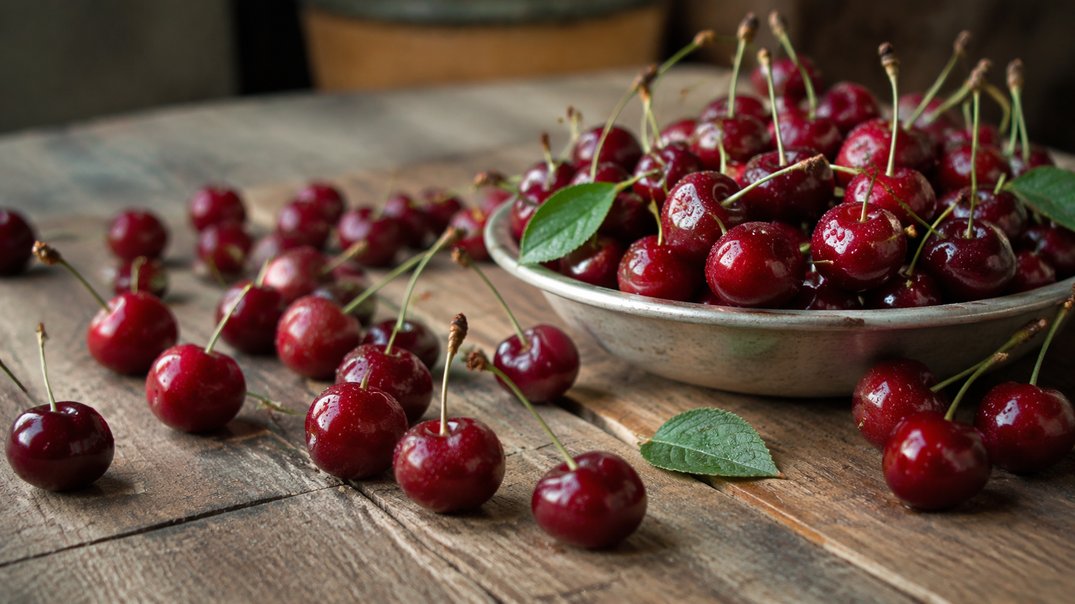
Tart cherry has become one of the more talked-about natural sleep aids in recent years, and unlike some wellness trends, this one has an actual, if modest, body of research behind it. The specific variety most often studied, Montmorency tart cherry, contains a combination of naturally occurring melatonin, tryptophan, and anthocyanin compounds that together offer a genuinely interesting nutritional profile for sleep support. That said, the research is smaller in scale than many people assume, and it’s worth understanding exactly what has and hasn’t been demonstrated before treating tart cherry as a guaranteed solution rather than one reasonable piece of a broader nutritional approach.
This article looks at what makes Montmorency cherries nutritionally distinct, walks through the actual research behind tart cherry and sleep, and is honest about the limitations of that evidence base, since an honest account is more useful than an inflated one, especially for anyone deciding whether tart cherry is worth adding to their own nighttime routine.
What Makes Montmorency Cherries Different
Montmorency cherries are a specific sour cherry variety, distinct from the sweet cherries most commonly eaten fresh. This variety has drawn particular research interest because it naturally contains measurable amounts of melatonin, along with tryptophan and a group of antioxidant compounds called anthocyanins, which give the cherries their deep red color and have been studied for anti-inflammatory properties. The combination of melatonin, a tryptophan precursor, and anti-inflammatory compounds in a single food source is somewhat unusual and is part of why this particular cherry variety, rather than cherries generally, has become the focus of sleep-related research, with most published studies specifying Montmorency by name rather than referring to tart cherries as a broad, interchangeable category.
The Research Behind Tart Cherry and Sleep
The Original Insomnia Study
One of the more frequently cited studies on tart cherry and sleep involved a small group of older adults with insomnia who consumed Montmorency tart cherry juice concentrate twice daily for two weeks. The study found modest improvements in sleep duration and sleep efficiency compared to a placebo period, along with corresponding increases in a marker used to estimate melatonin levels. While promising, this study involved a small number of participants and a relatively short study period, meaning the findings should be considered an encouraging starting point rather than definitive proof of tart cherry’s effectiveness for insomnia broadly, and larger follow-up research would help clarify how consistently these effects hold across different populations.
Melatonin Content and Anthocyanins
Beyond the insomnia-specific study, other research has examined tart cherry’s melatonin content directly, generally finding measurable but relatively low concentrations compared to the doses used in standalone melatonin supplements. This suggests that whatever sleep benefit tart cherry offers likely comes from a combination of its modest melatonin content working alongside its tryptophan content and antioxidant properties, rather than melatonin content alone explaining the full effect. Separate research on tart cherry’s anthocyanins has focused more on exercise recovery and inflammation than sleep specifically, though inflammation and sleep quality are increasingly understood to be connected, which adds a plausible, if not yet fully proven, additional mechanism worth watching as this research area continues to develop.
Limitations of the Current Research
It’s worth being direct about the state of tart cherry research. Most of the existing studies involve small sample sizes, and several have been conducted or funded by parties with a commercial interest in tart cherry products, which doesn’t invalidate the findings but does mean independent replication with larger, more diverse populations would strengthen confidence in the results. Additionally, most sleep-focused studies have used concentrated tart cherry juice rather than whole fruit extract, meaning results may not translate identically to every tart cherry product on the market, an important detail that often gets lost when these studies are summarized in marketing copy.
This doesn’t mean tart cherry lacks value, but it does mean expectations should be calibrated appropriately. Tart cherry appears to offer modest, supportive benefits for sleep in the existing research, rather than the dramatic results sometimes implied by marketing claims, and it makes more sense as one component of a broader nutritional approach than as a standalone solution for significant sleep problems that would more appropriately warrant a conversation with a healthcare provider rather than a change in fruit juice habits alone.

Putting This Knowledge to Work
Given tart cherry’s combination of natural melatonin, tryptophan, and anti-inflammatory compounds, it fits naturally alongside other sleep-supportive nutrients rather than as an isolated intervention. This is the reasoning behind including CherryPURE, a standardized whole Montmorency tart cherry extract, in Performance Lab Sleep alongside magnesium, L-Tryptophan, and lemon balm extract, aiming to combine tart cherry’s modest, multi-mechanism benefits with other ingredients that support the broader sleep pathway rather than asking any single ingredient to carry the full weight of supporting sleep on its own.
For people specifically interested in understanding how their own genetics interact with nutrients like tryptophan and melatonin precursors, a report like SelfDecode’s Serotonin & Melatonin Pathway analysis can offer additional context on whether nutritional support through sources like tart cherry might align particularly well with your own biology, especially for anyone whose pathway genetics suggest a slower natural conversion process to begin with.
Frequently Asked Questions
How much tart cherry juice would I need to drink to see the benefits studied in research?
The original insomnia study used a specific concentrated juice dose taken twice daily, which is a considerable amount of concentrate rather than a casual serving of juice. This is part of why standardized extracts, which allow for a more consistent and concentrated dose, are often used in supplement formulations rather than relying on juice alone, since matching the study dose through juice consumption alone would mean a fairly significant amount of sugar and calories each day.
Is tart cherry juice as effective as a standardized extract like CherryPURE?
Standardized extracts are designed to deliver a consistent concentration of the relevant compounds, which can offer more predictable results than juice, where concentration can vary considerably between products and brands, making it harder to know exactly how much of the active compounds you’re actually consuming from one bottle to the next.
Are there any downsides to regular tart cherry consumption?
Tart cherry is generally well tolerated, though the concentrated juice form can be relatively high in natural sugars, which is worth considering for people monitoring their sugar intake. Extract forms typically avoid this concern since they don’t carry the same sugar content as juice, making them a more practical option for daily, ongoing use as part of a nighttime routine.
Does tart cherry interact with any medications?
Tart cherry hasn’t been strongly associated with major medication interactions in current research, but as with any supplement, it’s worth mentioning to a healthcare provider, particularly if you take medications affecting blood sugar or blood clotting, given some of the compounds involved and the general principle of disclosing all supplements to your care team.