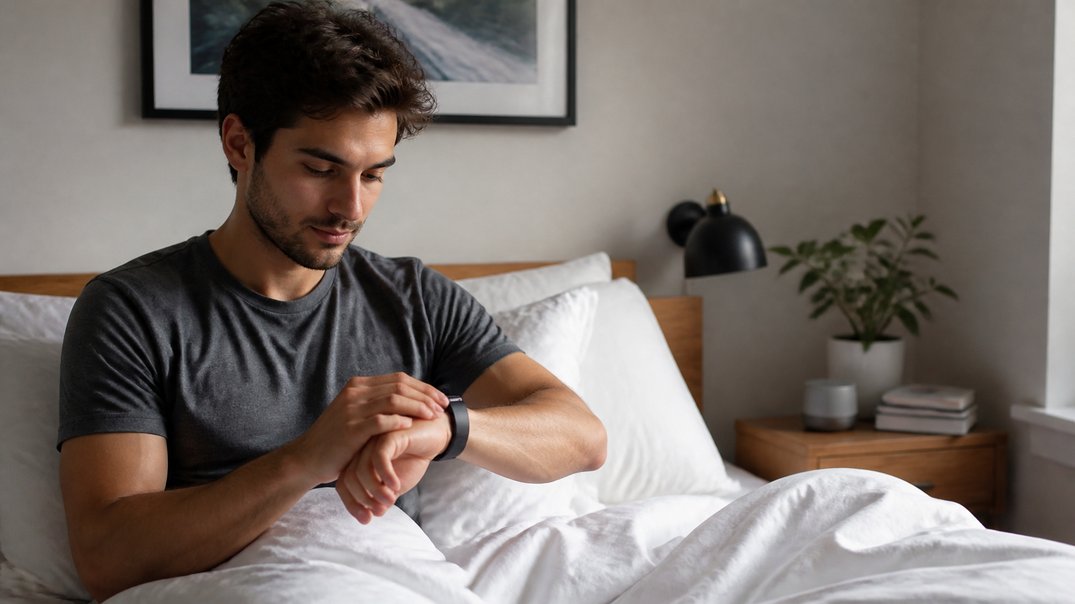
Sleep tracking devices have become genuinely popular, showing up as features on smartwatches, dedicated sleep rings, under-mattress sensors, and standalone phone apps. These tools can offer real, useful insight into your sleep patterns over time, but there’s often a meaningful gap between what people assume these devices measure and what they’re actually capable of detecting. Understanding that gap helps you get real value from sleep tracking without over-relying on numbers that carry more precision on the screen than they do in reality.
This article looks at how consumer sleep trackers actually estimate sleep, what they tend to measure reasonably well, where they consistently fall short compared to clinical sleep measurement, and a genuine psychological risk worth understanding if sleep tracking starts to feel like more of a burden than a helpful tool.
How Consumer Sleep Trackers Actually Estimate Sleep
Most consumer sleep trackers, whether worn on the wrist, finger, or placed under a mattress, rely primarily on movement detection through an accelerometer, combined in many devices with heart rate monitoring. These devices estimate whether you’re asleep or awake based on patterns of stillness and heart rate variability, then use algorithms to guess which broad sleep stage you’re likely in based on these indirect signals. This is fundamentally different from how sleep is measured in a clinical setting, where actual brain wave activity, measured through electroencephalography, directly identifies specific sleep stages rather than inferring them from movement and heart rate patterns alone.
This distinction matters because movement and heart rate are reasonable proxies for general sleep versus wakefulness, but they’re considerably less reliable proxies for distinguishing between specific sleep stages like light sleep, deep sleep, and REM sleep, which involve genuinely different patterns of brain activity that a wrist-worn accelerometer simply cannot detect directly.
What These Devices Measure Reasonably Well
Total Sleep Time and Consistency
Consumer sleep trackers tend to perform reasonably well at estimating total sleep time and identifying overall sleep timing consistency across nights, since these measures rely primarily on distinguishing periods of stillness from periods of movement, a task accelerometers handle fairly reliably. This makes trackers genuinely useful for spotting patterns over time, such as noticing that your sleep duration consistently falls short on certain days of the week or that your bedtime has been gradually drifting later.
Heart Rate and HRV Trends
Heart rate and heart rate variability trends measured overnight can offer a reasonable general indicator of how relaxed your nervous system was during sleep, and tracking these metrics over weeks and months can reveal useful patterns related to stress, illness, or recovery. These trend-level insights tend to be more reliable than any single night’s specific numbers, since night-to-night variation is normal and a single unusual reading doesn’t necessarily indicate a real problem.
Where Consumer Trackers Fall Short
The specific sleep stage breakdowns that most devices display, showing exact percentages of light, deep, and REM sleep, deserve real skepticism. Independent validation studies comparing consumer trackers against clinical polysomnography have generally found these devices perform reasonably well at distinguishing sleep from wakefulness but considerably less accurately at identifying specific sleep stages, sometimes misclassifying stages in ways that would be considered clinically significant errors in a medical setting. A device confidently displaying “47 minutes of deep sleep” creates an impression of precision that the underlying technology genuinely cannot support.
Sleep scores, the single overall number many apps generate each morning, compound this issue further by combining several imprecisely measured components into one figure that feels authoritative but is actually built on a stack of estimates and assumptions. Treating a daily sleep score as an exact, meaningful measurement rather than a rough directional indicator tends to overstate what the underlying data can actually support.
Orthosomnia: When Sleep Tracking Becomes Its Own Problem
Sleep researchers have identified and named a specific phenomenon, orthosomnia, describing a pattern in which anxiety and preoccupation about achieving a “perfect” sleep tracker score actually worsens sleep quality, sometimes considerably. This creates a genuinely ironic situation where a tool intended to help you sleep better instead becomes a source of nighttime stress and hypervigilance, checking scores compulsively, lying awake worrying about an already-lower-than-hoped number, or feeling distressed about normal night-to-night variation that was never actually cause for concern in the first place.
If you notice yourself feeling anxious about your sleep tracker’s nightly output, or checking your data compulsively first thing each morning with real dread, it’s worth stepping back and reconsidering whether the tool is still serving its original, helpful purpose. For some people, taking a break from tracking entirely, or shifting to checking data only occasionally rather than every single morning, restores the tool’s usefulness without the accompanying anxiety.

Putting This Knowledge to Work
Sleep tracking can offer genuinely useful directional information about consistency, general sleep duration trends, and broad heart rate patterns over time, as long as you hold the specific stage breakdowns and daily scores with appropriate skepticism rather than clinical-grade confidence. Using tracking data as one input alongside how you actually feel day to day, rather than as the single, final word on your sleep quality, tends to produce the most balanced and genuinely useful relationship with these tools.
For understanding the deeper biological reasons behind your own sleep patterns, rather than just tracking surface-level metrics night after night, a report like SelfDecode’s Sleep analysis offers a different, complementary kind of insight, one rooted in your underlying genetics rather than nightly movement and heart rate estimates. Supporting the biological processes involved in falling and staying asleep nutritionally, through a formula like Performance Lab Sleep combining magnesium, L-Tryptophan, tart cherry, and lemon balm extract, addresses the actual mechanisms behind sleep quality directly, complementing whatever tracking approach you choose to use.
Frequently Asked Questions
Are sleep tracking rings more accurate than wrist-worn devices?
Some studies have found rings perform slightly better than wrist-worn devices for certain measurements, likely due to better blood flow signal quality at the finger, though the fundamental limitations around sleep stage accuracy discussed in this article apply to both device types regardless of where they’re worn.
Should I trust my sleep tracker’s recommendations for bedtime or wake time?
These recommendations are generally based on the same imprecise underlying data as sleep stage estimates, so treating them as a rough suggestion rather than a precise, individually validated prescription makes sense, particularly when they conflict with your own genetic chronotype tendencies.
Do under-mattress sleep sensors work differently than wearable devices?
Under-mattress sensors typically detect movement and sometimes heart rate through pressure and vibration sensing rather than a worn accelerometer, offering a similar general accuracy profile to wearables while removing the need to wear anything to bed, which some people find more comfortable and sustainable long term.
Is it worth getting a clinical sleep study instead of relying on a consumer tracker?
If you suspect a specific sleep disorder, such as sleep apnea, a clinical sleep study provides genuinely diagnostic-quality information that consumer trackers cannot replicate, making it worth pursuing when symptoms suggest something beyond general sleep hygiene tracking.